

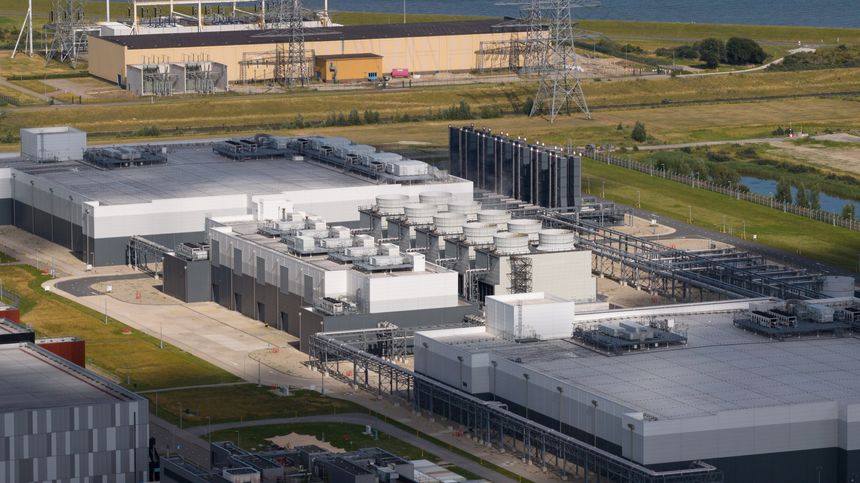

Earlier this week, the New Orleans City Council approved a one-year moratorium on new data centers while the city revisits how (and whether) to regulate them. The stated concerns—energy demand, water use, noise, air quality, and other neighborhood impacts—will sound familiar to anyone who has worked on siting disputes for refineries, chemical plants, pipelines, landfills, or other large industrial facilities.
What’s notable is not that a city hit pause. It’s why it did so, and what that signals about where legal risk around data centers is headed—particularly in environmental justice hotbeds like Louisiana and Texas.
As AI-driven load growth accelerates, data centers are increasingly being regulated—and litigated—like traditional industrial operations. The legal risk profile is starting to look very familiar to energy and heavy-industry counsel.
Below are a few trends to watch and pointers for managing risk.
1. Land-Use Disputes Are Becoming Environmental Cases on Day One
The New Orleans moratorium is framed as a zoning and planning issue, but the rhetoric is explicitly environmental: power consumption, water stress, diesel generators, noise, air quality, and cumulative neighborhood effects.
That rhetoric portends what fights are still to come – even when data centers are approved for construction, future legal risks will remain, including potential environmental administrative appeals, citizen suits, and tort claims. Given that environmental issues are likely to pervade zoning proceedings, permittees should be careful to create a record that not only accomplishes site approval, but also minimizes risk in future litigation.
2. Nuisance laws make data centers an easy target.
For data centers, the first wave of private litigation risk is unlikely to be classic toxic exposure claims. It’s nuisance.
Community outcries have already cited many complaints familiar to operators of industrial facilities: noise from cooling equipment, light pollution, truck traffic, vibration, and diesel exhaust from backup generators. Those alleged impacts (especially when combined with allegations of emotional distress and loss of quality of life) are comparatively easy to plead, emotionally resonant, and difficult to disprove, especially given the varying sensitivities among the population. In addition to investing in community relations, operators of data centers would be wise to study background levels of various potential annoyances (noise, dust, traffic, etc) prior to construction and operation of a data center, to help ward off potential future nuisance allegations.
3. Backup Generation Is No Longer “Invisible”
In addition to risk of tort and nuisance-based liability, facilities face risk of Clean Air Act citizen suits – particularly because of the rising need for backup power generation at data centers. In ERCOT territory and elsewhere, grid reliability concerns are pulling data centers’ backup power systems into the spotlight, as highlighted by federal emergency orders issued in the wake of recent severe winter weather. Thus, emergency diesel generators, gas turbines, and microgrids have become key operational features with real air-quality implications.
This reliance on backup power presents familiar Clean Air Act compliance challenges, which EPA has already begun to address. EPA’s recent guidance includes its recent pronouncement that temporary methane gas turbines (such as those used at data centers) are subject to NSPS and require air permits – along with additional guidance with which data center operators should familiarize themselves.
Takeaways for managing risk
New Orleans’ moratorium is a reflection of an emerging reality – data centers have become the new industrial neighbors, not only in the political sense, but also in terms of exposure to regulatory and litigation risks. For that reason, during land use fights, permittees should be careful not to craft a record that could prove damaging in future litigation – for example, by creating graphics that could make for harmful exhibits when used by plaintiffs in a different context, or by making commitments to neighbors that could create a “duty” enforceable through litigation.
Those who have been through refinery siting fights, pipeline opposition, or plant expansions will recognize the warning signs. The smart response is the same one industry has learned the hard way before: build the record as if you’ll be defending it—because eventually, you probably will.
For further questions regarding the New Orleans moratorium and other data center issues, contact Liskow attorney Michael Mims and visit our Environmental and Toxic Tort practice pages.
/Passle/6862a7c82f493872278415a8/SearchServiceImages/2025-11-25-16-35-38-563-6925dada600f673af5ec6550.jpg)
/Passle/6862a7c82f493872278415a8/SearchServiceImages/2026-01-27-15-36-37-348-6978db85ad3984136cdb2cfd.jpg)
/Passle/6862a7c82f493872278415a8/SearchServiceImages/2026-01-26-18-57-07-389-6977b90380777a881ec16e2c.jpg)
/Passle/6862a7c82f493872278415a8/SearchServiceImages/2026-01-23-16-59-37-905-6973a8f931790aa06860a472.jpg)